

 Products


March 30, 2026

Private

Professionals
How to Use the Gravel Binder PEBBLEBLOCK: Spray or Mixing? The Complete Guide
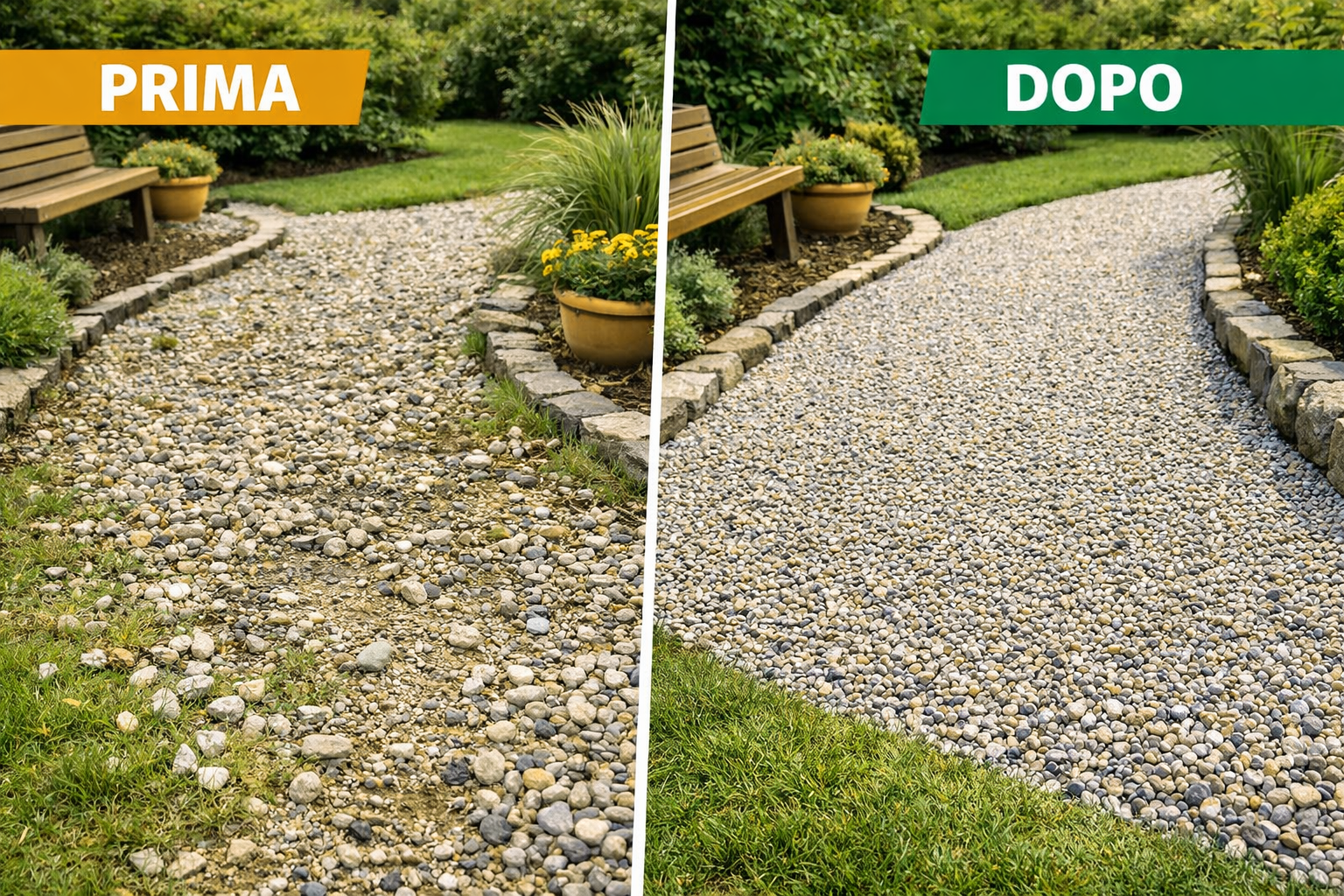
Gravel is one of the most popular and versatile solutions for driveways, courtyards, decorative garden areas, and outdoor spaces. It’s natural, permeable, easy to install, and blends seamlessly into both modern and rustic environments. However, anyone who uses gravel knows its main limitation: loose gravel tends to move, accumulate along edges, get into shoes, and require constant maintenance.
Wind, rain, frequent foot traffic, or even slight slopes can compromise surface uniformity. This is where a gravel binder comes into play.
In this guide, we’ll explain how a gravel stabilizer really works, and when to apply it using a spray method versus direct mixing with aggregates.
Why Use a Gravel Binder: Benefits of Stabilized Gravel
A gravel binder (or fixer) is not designed to turn the surface into concrete. It does not create a rigid, impermeable slab. Instead, it is formulated to stabilize aggregates while preserving a natural, lightweight appearance.
In practice, it forms a transparent net that:
- Reduces gravel displacement;
- Improves walkability;
- Maintains drainage properties;
- Minimizes long-term maintenance.
To achieve this stabilized effect PEBBLEBLOCK by Chimiver is the ideal solution. PEBBLEBLOCK is a water-based gravel binder for stone and aggregates, ensuring secure anchoring and preventing movement caused by foot traffic, weather conditions, or tools like leaf blowers. It is perfect for gravel pathways, decorative garden gravel, and pedestrian surfaces, delivering a cleaner, more stable, and low-maintenance outdoor area over time.
Advantages of Gravel Stabilizer vs Loose Gravel
Untreated gravel tends to shift due to:
- Weather conditions (wind and heavy rain);
- Continuous foot traffic;
- Slopes and edging limitations.
Applying a gravel binder results in:
- A more compact and uniform surface;
- Reduced dispersion into lawns and flower beds;
- Longer-lasting decorative pathways;
- Lower outdoor maintenance.
How to Use a Gravel Binder: Spray vs Mixing Application
One of the most common questions is which application method to choose. The difference between spray application and mixing is both technical and functional.
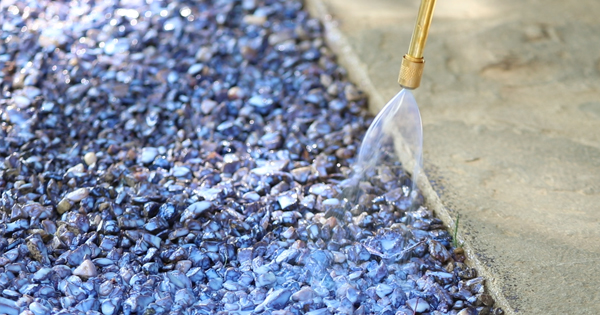
Mixing Application
Direct mixing involves blending the binder with aggregates before installation. This ensures each particle is evenly coated, resulting in deeper and stronger stabilization. It is the recommended method for pedestrian pathways, high-traffic surfaces and first-time applications.
Spray Application
Spray application is the quickest and easiest solution. The product is applied directly onto already installed gravel. It is ideal for decorative surfaces, existing gravel areas and maintenance or repair of stabilized surfaces.
If you’re wondering how to use Pebbleblock on gravel, the answer depends on the type of result you want to achieve: the spray method works mainly on the surface, while mixing provides deeper stabilization. Let’s take a closer look at both applications.
Step-by-Step Guide: How to Stabilize Gravel
Let’s now look at the practical steps for stabilizing gravel.
The surface must be dry, clean, and properly leveled. It is essential to apply the product only under suitable weather conditions: temperatures above 15°C, sunny or stable weather, and no rain expected within the next 24 hours.
After application, allow the product to dry for at least 24 hours to achieve optimal results. Pebbleblock drying times must always be respected before subjecting the area to use.
Sub-base Preparation for Former Lawn or Vegetated Areas
When applying a gravel binder or sealer on surfaces previously used as lawn or characterized by existing vegetation, proper sub-base preparation is a crucial step to ensure long-term stability and durability.
Before spreading the aggregates and applying the binder, it is essential to completely remove all grass and weeds. A targeted herbicide treatment is recommended to eliminate vegetation at the root.
To prevent future regrowth, it is strongly advised to install a weed control membrane over the stabilized ground. This separating layer:
- Prevents the growth of new weeds;
- Improves long-term gravel stability;
- Ensures a more uniform result when applying the binder.
Only after this proper preparation can you proceed with spreading the aggregates (max 12 mm) and applying Pebbleblock, either by spray or direct mixing.
A well-prepared base is the first and most important step in achieving a durable, stable, and long-lasting gravel surface.
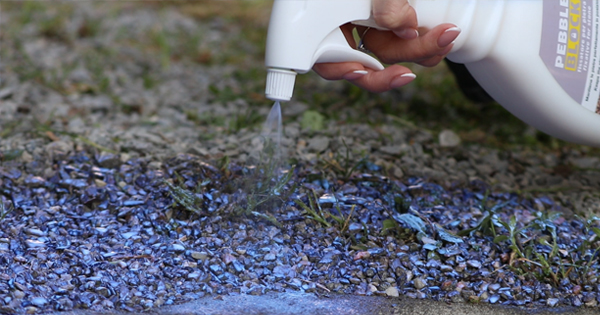
Spray Application Tutorial
Pebbleblock spray should be applied evenly across the surface using controlled movements, avoiding excessive build-up. If necessary, use a rake to lift untreated material and apply a second coat to ensure complete coverage.
The average coverage rate is approximately 4 m² per kg, an important factor to consider when planning the required quantity.
Mixing Application Tutorial
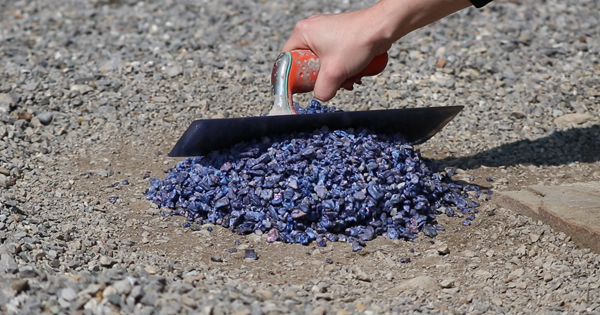
Mixing requires more time and precision but provides superior compactness.
Aggregate size is a key factor. Pebbleblock performs effectively with particle sizes up to 12 mm; however, the mixing ratios vary depending on the gravel size:
| Gravel size | Aggregate : Pebbleblock Ratio |
| 1–2 mm | 20–25 : 1,5 kg |
| 3–6 mm | 30 : 1,5 kg |
| 7–12 mm | 40–50 : 1,5 kg |
The product must be mixed with the gravel until the material is evenly coated. Once this is achieved, spread the mixture over the designated area and compact the gravel and stones to ensure proper adhesion and stability.
Conclusion
Choosing how to use a gravel binder means evaluating the type of surface and the desired result. Spray application is ideal for quick, surface-level consolidation, while mixing ensures greater stability and uniformity for pedestrian pathways.
In both cases, proper sub-base preparation, correct application ratios, and suitable weather conditions are key factors in achieving a drainable, tidy, and long-lasting surface.
With Chimiver Pebbleblock, gravel can be stabilized easily and effectively, with full curing in just 24 hours and application possible both by spray and mixing.
Discover Pebbleblock and choose the most suitable method for your outdoor project by watching the application video here.
Why Choose Chimiver Outdoor Solutions
Chimiver stands for quality, innovation, and sustainability even in outdoor applications. With certified solutions designed for long-term performance, it offers everything needed to enhance and protect exterior surfaces: from gravel binders and stone adhesives to decking treatments and wood surface finishes.
To learn more about product applications and discover practical tips, explore our Academy section (https://chimiver.com/academy/ ), featuring tutorials, guides, and updates for professional DIY users, or follow our videos on the official Chimiver YouTube channel.
Do you have any questions or specific requirements?
Our team is always available to support you and help you choose the most suitable solution for your outdoor project.